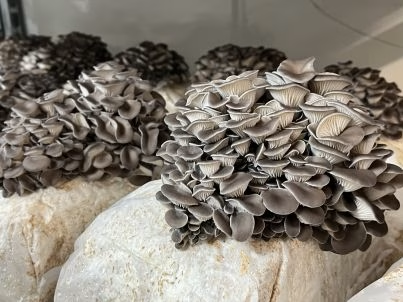
Meat analogues from mycelium protein

The PLANTOMYC project receives EU funding through the HORIZON initiative from 2025 to 2029. It aims to produce superior meat analogues by bridging the benefits of plant proteins and mycelium protein biomass produced from circular substrates.
ESU-services collaborates with a consortium of academic (University of Reading, Universidad de Navarra), research (RISE Research Institutes of Sweden, Westerdijk Fungal Biodiversity Institute, Foodscale Hub, EIT Food) and industrial partners (Millow.co, BRØL | B Corp®, ESU-services GmbH, Lantmännen, ATOVA Regulatory Consulting, SLU). Together, we aim to revolutionize the alternative protein sector by combining the benefits of plant-based food sources with the functional and sensory advantages of mycelial protein biomass (MPB). We’re excited to develop innovative, minimally processed hybrid meat analogues. These novel foods are not only sustainable but also delicious. ️
the PLANTOMYC project at a Glance
PLANTOMYC stands as a pioneering initiative aiming to address critical pain points in the alternative protein sector. This includes environmental sustainability and high production costs. We will merge the benefits of plant-based proteins with the functional and sensory advantages of mycelial protein biomass. The project develops minimally processed hybrid meat analogues. These should be healthy and tasty.
Through cutting-edge fermentation techniques and upcycling underutilising resources like pea protein by-products and brewers’ spent grains, the project seeks to reduce waste. Furthermore, it while enabling cost-effective production with a lower carbon footprint. Through targeted efforts, the team also navigates challenges related to consumer acceptance, technological scaling and regulatory compliance, paving the way for a more sustainable protein industry in the EU.
Life cycle assessment of mycelium protein biomass produced from circular substrates

At ESU-services, we’re proud to lead the Life Cycle Assessment (LCA) and Social Life Cycle Assessment (SLCA) activities within the PLANTOMYC project. Since its launch in early 2025, PLANTOMYC has been working to reshape the alternative protein landscape by bringing together the nutritional strengths of plant-based proteins with the sensory qualities — taste, aroma, texture — of mycelial protein biomass. The aimed result: minimally processed, healthy, and flavourful hybrid meat alternatives that are both sustainable and delicious.
Goal and scope definition
As any LCA practitioner knows, the heaviest analytical workload usually comes toward the later stages of a project. To ensure a smooth process for everyone involved, we dedicated the first project year to developing a comprehensive Goal and Scope report for our (S)LCA tasks. This early strategic effort helps align expectations, map out required datasets, and secure clarity before experiments and measurements begin.
If you’re curious why the Goal & Scope phase is so decisive — and what it has in common with planning a trip — you can find more insights in our post.
Publications for PLANTOMYC
Posts:
- LinkedIn PLANTOMYC project page
- PLANTOMYC project started
- Developing a comprehensive Goal and Scope report for the (S)LCA tasks in the PLANTOMYC project